This post is also available in:  Español
Puerto Varas in Chile, often referred to as “Little Germany,” is far more than a picturesque lakeside town—it is one of southern Chile’s most strategically important economic and agricultural centres.
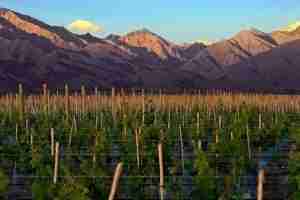
Set against a backdrop of rolling farmland, vineyards, and snow-capped volcanoes, the region combines natural beauty with highly productive land. The surrounding agricultural zones are among the most fertile in Chile, supporting dairy, livestock, and crop production that feeds both domestic markets and export demand. For investors and land buyers, this productivity is not theoretical—it translates directly into consistent returns and long-term land value appreciation.
The presence of the Calbuco volcano, one of Chile’s most active, is a reminder of the region’s dynamic geography. Its eruptions, including the most recent after decades of dormancy, have historically enriched the soil with mineral deposits. While prevailing westerly winds often carry ash toward Argentina, Puerto Varas itself typically remains operational and resilient, reinforcing its stability as a base for agriculture and tourism.
Walking through Puerto Varas—from the Paseo Patrimonial to the lakeshore—you encounter not only its visual charm but also a carefully preserved identity that has real economic implications. Tourism here is not incidental; it is a major driver of the local economy. The town attracts both Chilean and international visitors drawn by its blend of European heritage and Patagonian landscape, creating steady demand for hospitality, gastronomy, and real estate.
This identity dates back to 1853, when German immigrants—invited under Chile’s 1845 Law of Selective Immigration—settled the region. The policy was deliberate: to stimulate economic development in the South by introducing skilled, disciplined settlers. The result is still visible today in the region’s efficient agricultural practices, strong work ethic, and structured land use.
Puerto Varas sits on the shores of Lake Llanquihue, Chile’s second-largest lake, and serves as a gateway to both domestic tourism and cross-border trade with Argentina, particularly through nearby Bariloche. This positioning enhances its role as a regional hub, linking agriculture, tourism, and logistics.
The German influence remains deeply embedded in both culture and infrastructure. Heritage properties such as Casa Hitschfeld, Casa Wetzel, and the Iglesia del Sagrado Corazón de Jesús—modelled after Germany’s Black Forest churches—are not only architectural landmarks but also drivers of property value. Government-backed preservation policies have ensured that maintaining this architectural identity directly supports tourism and real estate premiums.
What makes Puerto Varas particularly compelling is how these elements converge:
A strong agricultural base with fertile, productive soils
A well-established tourism sector with year-round appeal
A distinct cultural identity that enhances property values
Strategic access to regional and cross-border markets
Despite its European aesthetic, the town is unmistakably Chilean in daily life, with Spanish as the dominant language, though German heritage is still proudly preserved.
From an investment perspective, Puerto Varas represents a rare combination of lifestyle and performance. It offers order, infrastructure, and stability—qualities that are increasingly sought after in South American real estate markets.
The purpose of my visit was clear: presenting farms to international buyers who quickly recognise both the beauty and the economic strength of the region. With welcoming locals and consistently productive land, Puerto Varas continues to stand out as one of Chile’s most compelling destinations for agricultural and lifestyle investment.

The New Zealander has a distinguished career of over 30 years in 7 countries, specializing in South American real estate, agriculture, and commercial matters. As the founder of Gateway to South America, he is known for his discretion, expertise, and experience in representing active clients in the region. His extensive knowledge of the market has positioned him as a leading authority and trusted advisor.